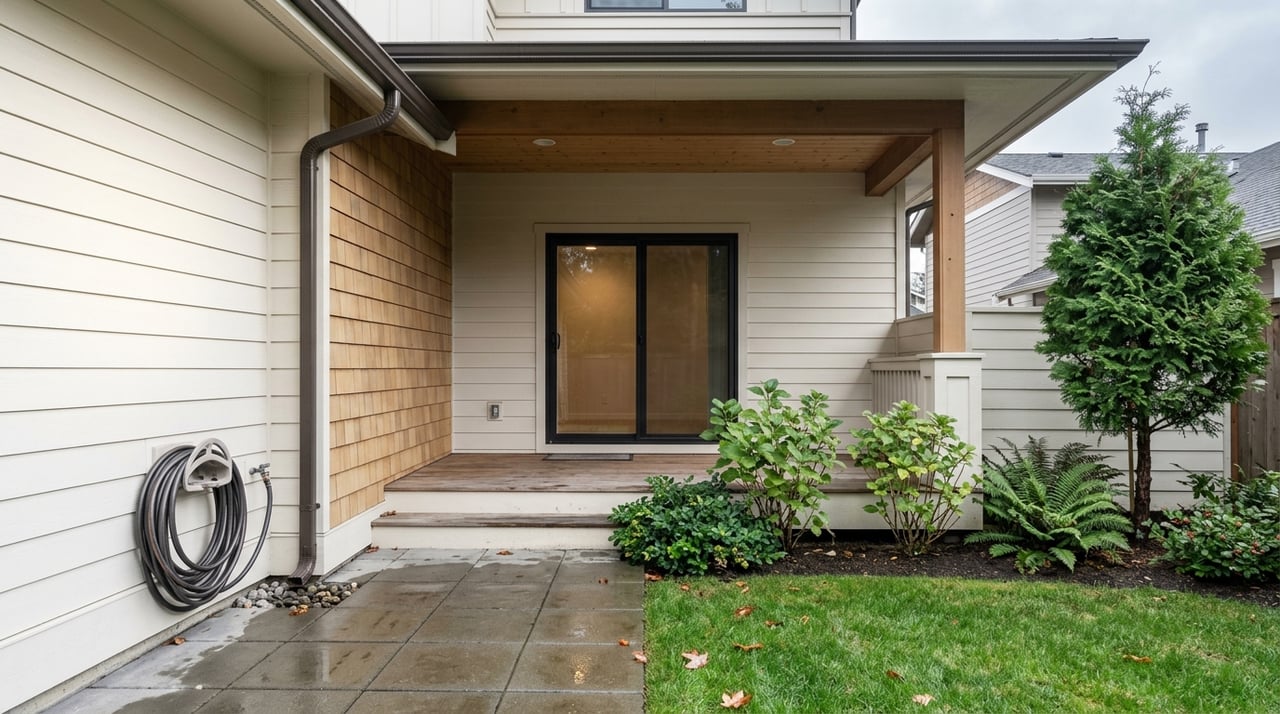
If you own a house in Medford, you may have wondered whether it could make sense as a long-term rental. That is a practical question, especially in a city with a large share of single-family homes and a renter base spread across different housing types. If you are weighing the pros, risks, and local rules, this guide will help you understand what matters most before you make a move. Let’s dive in.
Why single-family rentals fit Medford
Medford is Southern Oregon’s largest city, and the city describes its economy as broadly based across healthcare, agriculture, transportation, retail, and outdoor recreation. In the 2020-2024 ACS, Medford’s population estimate was 86,301, median gross rent was $1,376, median household income was $73,230, and 56.3% of occupied housing units were owner-occupied, according to the City of Medford’s community overview and U.S. Census QuickFacts.
That larger picture matters because it suggests a steady need for a range of housing options. Census data also shows 34,813 households in Medford, with 2.42 persons per household, 22.9% of residents under 18, and 19.5% age 65 or older. For owners, that means your potential tenant pool may include households looking for a little more room, storage, or easier day-to-day living than a smaller rental may offer.
What Medford housing data shows
Medford’s 2023 Housing Production Strategy reported that about 66% of the city’s housing stock was single-family detached. It also noted that most new units built between 2000 and 2018 were single-family, while renters were nearly evenly split between single-family detached, middle housing, and multifamily homes. You can review those details in the Medford Housing Production Strategy.
That mix is important if you are considering a detached home as a rental. Single-family homes are already a major part of the local housing stock, and renters in Medford do lease them. Based on the city’s housing mix and household patterns, detached homes may appeal to renters who want more privacy, parking, storage, or yard space than an apartment usually provides.
What owners should expect
A single-family rental can offer flexibility, but it also tends to come with more hands-on responsibility than many owners first expect. Because you usually are not on site, small repair issues can become larger ones if communication and follow-up are loose. A clear lease, documented condition, and a maintenance plan are not extras. They are part of operating the property responsibly.
Vacancy planning matters too. Historical planning data in Medford’s housing strategy showed a 6.2% overall vacancy rate during 2014-2018 and a 1.9% multifamily vacancy rate in 2020. Those numbers are not a promise of current conditions, but they do support a simple takeaway: budget for turnover costs and some vacancy time instead of assuming constant occupancy.
Medford rental registration matters
If you plan to rent out a single-family home in Medford, the city’s residential rental registration program should be on your checklist. Under the Medford city code, the registration collects details such as the rental address, bedroom count, year built, dwelling type, owner information, and contact information.
The city’s housing strategy says the program is intended to help educate owners and tenants, reduce code violations, maintain a citywide housing inventory, and help emergency services contact owners during hazardous situations. That is a strong reminder that local rental ownership is not just about collecting rent. It also involves recordkeeping, upkeep, and responsiveness.
Keep long-term and short-term use separate
It is also important not to mix up long-term rentals with vacation-style use. Medford has a separate short-term rental license structure for daily or weekly stays in a single-family residence, with a maximum stay of 14 consecutive days, as outlined in the city’s vacation rental license agreement.
If your goal is a standard lease, make sure your strategy, documents, and operations are built around long-term tenancy rules rather than short-stay use. The two are different frameworks with different requirements.
Oregon landlord rules to know
For Medford long-term rentals, Oregon law provides the main compliance framework. Before you lease a home, it is worth reviewing the Oregon Residential Landlord and Tenant statutes. A few parts are especially important for single-family rental owners.
Habitability comes first
Under ORS 90.320, landlords must maintain a dwelling unit in habitable condition. In practical terms, that means the property cannot simply look rent-ready on listing day. It needs to stay in legally required condition during the tenancy.
For a detached home, this often means staying ahead of exterior wear, plumbing issues, heating concerns, and other repair needs that can be easier to miss when no owner is living on site. Medford’s housing planning documents also note community concern about poorly maintained rentals, which makes preventive care even more important.
Security deposits have rules
Security deposits are regulated under ORS 90.300. Oregon law requires a written accounting and refund of unused amounts within 31 days after the tenant returns possession of the property.
That timeline makes move-in and move-out documentation especially valuable. If you own a single-family home with a yard, garage, fence, or other features beyond the main interior, good records can help avoid disputes and support a smoother deposit process.
Rent increases are limited
Oregon also regulates rent increases for covered tenancies under ORS 90.323. In general, after the first year, landlords must provide 90 days’ written notice, may increase rent only once in a 12-month period, and must stay within the applicable cap for covered units.
According to the Oregon Department of Administrative Services information referenced in the statute discussion, the maximum allowable increase for 2026 is 9.5% for tenancies subject to ORS 90.323. The law includes exemptions, including a common age-based exception for dwelling units whose first certificate of occupancy was issued less than 15 years before the rent-increase notice date.
Screening must be consistent
Screening is another area where discipline matters. Oregon law addresses screening charges and evaluation criteria, and fair housing guidance from BOLI prohibits discrimination in housing decisions based on race, color, religion, sex, sexual orientation, national origin, marital status, familial status, source of income, or disability.
The practical takeaway is simple: use written, consistent screening standards instead of informal judgment calls. A steady process is not only more professional. It is also a safer way to make rental decisions.
Entry requires notice
If repairs, services, or inspections are needed during tenancy, Oregon law also sets boundaries for entry. Under ORS 90.322, landlords may enter for certain legitimate reasons, but notice and reasonableness still apply.
That is especially relevant in single-family rentals, where maintenance often involves exterior systems, landscaping access, or periodic inspections. Clear communication and documentation can help protect both the property and the landlord-tenant relationship.
Why maintenance planning matters
A detached house usually has more systems and surfaces to monitor than an apartment unit. Roof issues, irrigation, fencing, exterior paint, driveways, and yard upkeep can all affect cost and tenant experience. That does not make single-family homes a bad rental choice, but it does mean your reserve planning should be realistic.
Medford’s housing strategy notes that the city has explored adding health and safety inspections to the registration system. Even without a future change, that context reinforces the value of keeping your property in solid condition. Owners who treat maintenance as an ongoing operating cost, rather than an occasional surprise, are often in a better position over time.
Is your former home a good rental?
Many owners first become landlords by keeping a home they once lived in. That can work well, but it is wise to slow down and evaluate the property as an investment rather than as a familiar home. Rent potential, repair needs, lease compliance, and reserve costs all deserve a fresh look.
The research for Medford supports a balanced conclusion: single-family homes can work well as long-term rentals here, but the stronger outcomes usually come from properties that are well maintained, carefully screened, and operated with reserves for repairs, vacancy, and compliance. If you are converting a former residence, it may also be smart to consider property management, legal review, and tax advice before finalizing your lease strategy.
How local guidance helps
If you are deciding whether to keep, lease, or sell a Medford home, local context matters. A rental decision is not only about market demand. It is also about your timeline, the property’s condition, your comfort with compliance, and whether the home still fits your bigger financial goals.
That is where a local real estate team can help you think through the options in plain English. Whether you are relocating, managing an inherited home, or deciding if a former residence should become a rental, the right guidance can help you weigh your next step with more confidence.
If you want help thinking through whether a Medford single-family home is better kept as a rental or positioned for sale, connect with 251 Realty LLC. You will get thoughtful, local guidance built around your goals, not a one-size-fits-all answer.
FAQs
What makes single-family homes a realistic long-term rental option in Medford?
- Medford’s 2023 Housing Production Strategy says about 66% of the city’s housing stock is single-family detached, and renters are nearly evenly split across single-family detached, middle housing, and multifamily homes.
What rental registration is required for single-family homes in Medford?
- Medford has a residential rental registration program that collects information such as the rental address, bedroom count, year built, dwelling type, owner details, and contact information.
What Oregon habitability rules apply to Medford long-term rentals?
- Under ORS 90.320, landlords must maintain the dwelling unit in habitable condition throughout the tenancy.
What are the Oregon security deposit rules for a Medford rental house?
- Under ORS 90.300, landlords must provide a written accounting and return unused security deposit amounts within 31 days after possession is returned.
What rent increase rules apply to Medford long-term rentals in Oregon?
- For covered tenancies, Oregon generally requires 90 days’ written notice after the first year, allows only one increase per 12-month period, and limits the increase amount under ORS 90.323.
What fair housing rules matter when screening tenants for a Medford rental?
- Oregon law and BOLI guidance require consistent, non-discriminatory screening practices and prohibit discrimination based on protected characteristics, including source of income and disability.
What is the difference between a long-term rental and a short-term rental in Medford?
- Medford regulates short-term rentals separately, and the city’s vacation rental framework applies to daily or weekly stays in a single-family residence with a maximum stay of 14 consecutive days.
What should owners budget for when renting out a single-family home in Medford?
- Owners should plan for repair costs, turnover expenses, possible vacancy periods, and the administrative work that comes with compliance and property upkeep.