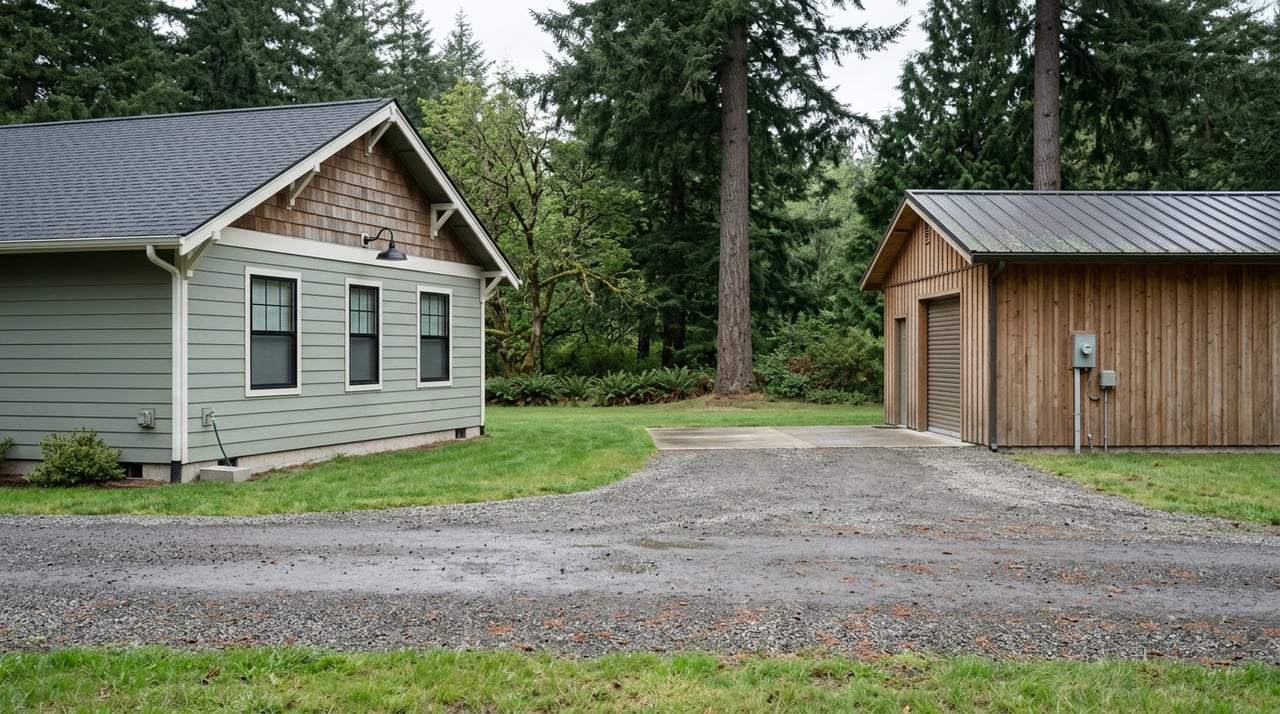
Dreaming about a little more space in Josephine County? Rural property can offer privacy, room to spread out, and a lifestyle that feels very different from an in-town purchase. But when you buy acreage here, the land itself is only part of the story. You also need to understand zoning, access, water, septic, and what the county will actually allow. This guide will help you focus on the right questions so you can buy with more clarity and confidence. Let’s dive in.
Why acreage buying is different
Josephine County covers more than 1 million acres and includes steep mountains, narrow river valleys, and a large amount of public land, much of it forested. According to the Natural Resources Conservation Service, the county’s terrain and land mix can create very different property conditions from one area to the next.
That means two five-acre properties can have very different value and usability. One may have straightforward access, usable ground, and clear utility options, while another may come with steep slopes, overlays, or restrictions that affect how you use it.
Start with zoning and overlays
Before you fall in love with the view, confirm what the land is zoned for. Josephine County includes rural residential zones such as RR-1, RR-2.5, and RR-5, along with resource designations like Exclusive Farm, Farm Resource, Forest Commercial, and Woodlot Resource. The county code also identifies overlays including Flood Hazard, Deer, and Wild and Scenic Rivers.
You can review zoning, land use, maps, permits, and recorded information through the county’s public access portal. This is one of the first places to check when you want to verify what applies to a specific parcel.
Why zoning matters for your plans
If you want a garden, animals, a shop, or a home-based use, zoning matters more than acreage alone. Josephine County’s rural residential zones are intended to preserve rural character while addressing sewage disposal, groundwater withdrawal, and environmental quality, according to the county code.
In farm zones, the county also states that normal farm practices are protected. The county’s zone descriptions explain that conflicts between residential use and resource practices are resolved in favor of resource uses, so noise, dust, odor, or equipment activity may simply be part of the setting.
Look closely at access and roads
One of the biggest rural buying mistakes is assuming that if a road reaches the property, access is settled. In Josephine County, you want to know whether access is legal, practical, and workable year-round.
This matters even more in a county known for steep terrain and forested areas. A driveway that looks manageable on a dry afternoon may be a very different experience during storms, for larger deliveries, or in an emergency.
Fire access standards matter
Josephine County’s rural fire safety standards require habitable structures to be reachable within 50 feet by firefighting vehicles. The code also calls for driveways that are at least 12 feet wide, wider in tight curves, maintained as an all-weather surface, and limited to 18 percent grade on surfaced driveways and 12 percent on unsurfaced driveways.
The same county code also addresses turnouts, gate width, brush clearance, and in some cases a fire protection district or other fire-protection arrangement for the dwelling. For you as a buyer, this is not just a code issue. It is also a safety and livability issue.
Questions to ask about access
When you are evaluating rural acreage, ask questions like:
- Is the road or driveway legal and documented?
- Is it maintained year-round?
- Does it appear to meet emergency access standards?
- Will service vehicles, movers, and deliveries be able to reach the home?
- Are gates, curves, grades, or surface conditions likely to create problems?
Treat water and wells as major due diligence items
If the property has a private well, do not leave water testing to the last minute. Oregon Health Authority requires domestic wells to be tested when a property with a well is sold. The seller must test for arsenic, nitrate, and coliform bacteria.
The Oregon Health Authority also recommends ongoing testing even outside a sale: coliform and E. coli every year, nitrate every year, and arsenic every three to five years. You can review the current domestic well testing requirements on the state’s website.
Ask for the well paper trail
In a real estate transaction, OHA says samples should be analyzed by an accredited laboratory. Results are usually available within one to three business days after the lab receives the samples, though some tests can take longer.
It is also smart to ask whether the well has a current ID label and whether the seller has the well report. The Oregon Water Resources Department says a well ID label is required within 30 days of transfer if the well does not already have one.
Give septic the same attention
For many rural properties, septic is just as important as the well. If a septic system is present, the Oregon Department of Environmental Quality recommends a professional evaluation when buying or selling a home.
DEQ explains that septic evaluations are voluntary, but if one is completed, an approved form must be used and the inspector should meet specific qualifications. You can review DEQ’s Septic Smart guidance for the state’s recommendations.
Why septic deserves extra care
A septic system is easy to overlook when you are focused on acreage, views, and outbuildings. But its condition can affect cost, timelines, and how comfortably you use the property.
That is why septic should be part of your main inspection strategy, not a side issue. If a property is otherwise a great fit, clear information about the system can help you make a better decision before closing.
Verify utilities by address
In rural Josephine County, never assume utility access based on the nearest town or neighboring parcel. Service can vary sharply from one address to the next.
The Oregon Department of Energy offers an address-based utility lookup for electric and natural gas service, though it notes that service boundaries are approximate and some addresses may have more than one utility. For internet, Business Oregon directs users to the FCC National Broadband Map through that same resource, which can help you research address-level availability.
Utilities to confirm early
Before you move too far along, confirm:
- Electric service at the property address
- Natural gas availability, if important to you
- Internet or broadband options at the address
- Whether utility service assumptions are based on verified records or only local belief
If you work from home, stream often, or rely on connected devices, broadband verification deserves extra attention.
Do not assume future improvements are easy
A larger parcel does not automatically mean fewer rules. Josephine County’s code states that oversized accessory structures can require pre-application site plan review, and home occupations must comply with structure, sanitation, and water-use rules.
The code also says that conditional use permits run with the land. That can be helpful, but it also means you should confirm permit history and current approvals before relying on a past use or assuming an existing setup can continue unchanged.
Outbuildings and uses to review
If you are considering a property because of a barn, workshop, guest space, or business use, make sure those features fit county rules. Questions worth asking include:
- Were existing outbuildings properly permitted?
- Are there any special approvals tied to the property?
- Does the current or intended use align with zoning?
- Will future additions trigger review by the county?
The county’s public access portal is a good starting point for planning, zoning, septic, and building-permit research.
A practical due diligence timeline
Rural transactions usually go more smoothly when you verify the big items in the right order. Josephine County acreage buyers often benefit from a simple, structured timeline.
Before you make an offer
Start by verifying:
- Zoning and overlays
- Basic access and road situation
- Whether your intended use appears realistic
During the inspection period
Order and review:
- Well testing
- Septic evaluation
- Property inspections related to access, structures, and site conditions
Before closing
Confirm:
- Utilities by address
- Recorded documents
- Permit history for outbuildings or special uses
- Any remaining county questions through the public portal or offices
What to keep top of mind
The best acreage purchase is not always the one with the most land. It is the one that supports the way you actually want to live, with clear information about access, water, septic, utilities, and county requirements.
If you are looking at rural property in Josephine County, a steady, informed approach can save you time, money, and stress. Local guidance matters because each parcel can present a different combination of opportunities and limitations.
If you want help sorting through Josephine County acreage, rural homes, or relocation options in Southern Oregon, 251 Realty is here to help you make sense of the details and move forward with confidence.
FAQs
What should you check first when buying rural property in Josephine County?
- Start with zoning, overlays, and access so you understand what rules apply and whether the property fits your intended use.
What well testing is required for a home sale with a private well in Oregon?
- Oregon Health Authority says the seller must test a domestic well for arsenic, nitrate, and coliform bacteria when the property is sold.
Why does driveway access matter for Josephine County acreage?
- Driveway access affects daily use, deliveries, and emergency response, and county fire safety standards include width, grade, surface, and clearance requirements.
Should you get a septic evaluation when buying rural property in Josephine County?
- Yes. DEQ recommends a professional septic evaluation when buying or selling a home with a septic system.
How can you verify utilities for a rural Josephine County address?
- Use the Oregon Department of Energy utility lookup for electric and natural gas service, and review address-level internet information through the broadband resources it references.
Do larger parcels in Josephine County allow any kind of outbuilding or home business?
- No. Acreage does not override county rules, and some accessory structures or home occupations may require review or must meet specific standards.