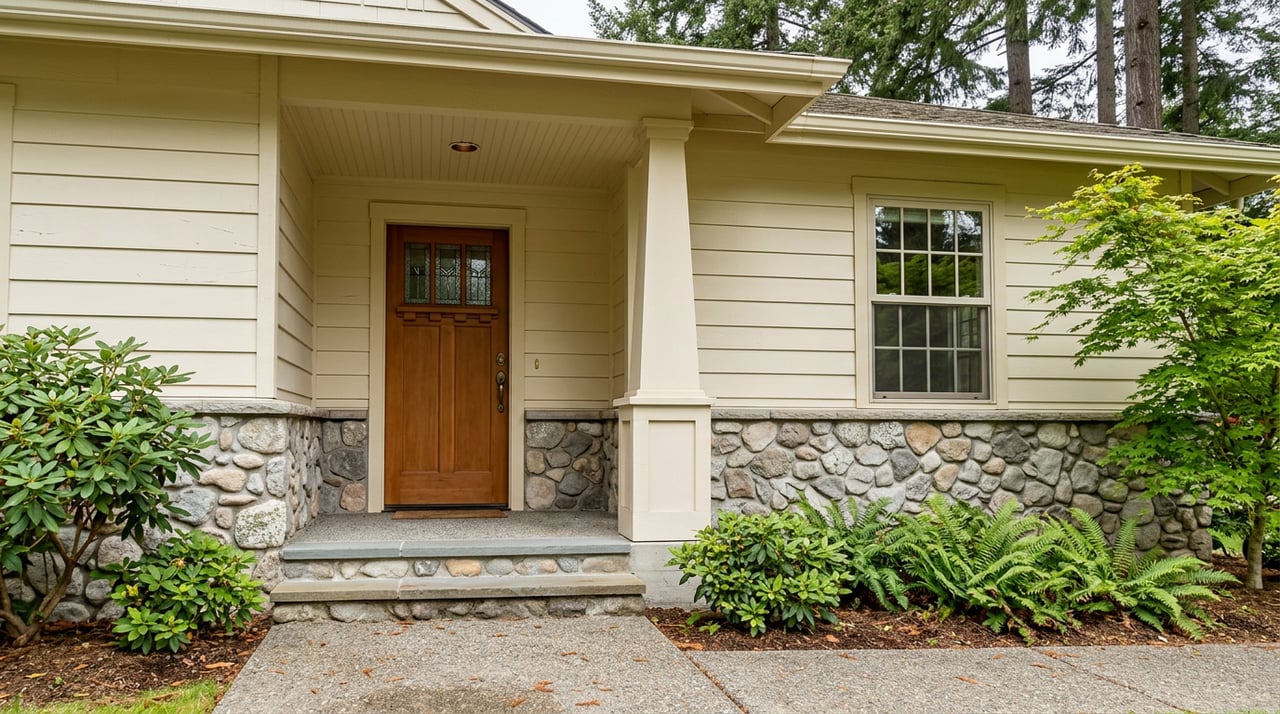
Picture yourself walking home past brick storefronts and wooden porches that look much like they did in the 1860s. Buying a historic home in Jacksonville lets you live inside that story. You may also be wondering how the rules work, what to inspect, and how to budget for repairs without losing momentum. This guide gives you clear steps, realistic timelines, and local resources so you can buy confidently and preserve what makes your home special. Let’s dive in.
Why Jacksonville homes are “historic”
Jacksonville’s core is a National Historic Landmark District that preserves a remarkably intact mid‑19th‑century gold‑rush townscape from roughly the 1850s through the 1880s. You will see Greek Revival, Italianate, Gothic Revival, and other Victorian-era forms around town, including well-known examples like the Beekman House and the former courthouse. You can read more in the National Park Service profile of the district for helpful context and era details. Review the district’s NPS summary.
In practice, many properties are listed as “contributing” to the district’s character. That special status protects the community’s look and adds review steps for exterior changes. Interior work that does not alter the exterior is usually outside formal historic review, but always confirm with the City before starting a project.
How design review works
Jacksonville’s Historic and Architectural Review Commission (HARC) and the City’s Planning Department administer local historic protection and design review under Title 18. If your property is in a Landmark or Historic Character Unit, most exterior work requires a Certificate of Appropriateness (COA) before you can pull a building permit. Read Title 18: Historic Protection and Design Regulations and contact Jacksonville Planning early to clarify your scope.
What typically needs approval
- Visible additions or new construction
- Window replacement and major exterior alterations
- Porch, roof, siding, or trim changes visible from the street
- Demolition of any contributing structure
Routine maintenance or in-kind repair may be administratively approved. Interior remodeling that does not affect the exterior is generally exempt from HARC review, but the building permit process still applies.
Timing and limits to expect
- COA approvals are time-limited. If work does not start on schedule, approvals may lapse and need renewal.
- Applications that require a HARC hearing can take several weeks to months, depending on meeting calendars and submittal completeness.
- Demolition requests can trigger public hearings and stay periods.
The City relies on the Secretary of the Interior’s Standards and local design guidelines. Both emphasize repair over replacement and visually compatible materials. For a helpful overview of preservation best practices, see the National Park Service’s guidance on rehabilitation and materials. Browse NPS preservation guidance and standards.
Smart inspections to order
Older homes deserve a thorough inspection plan. Order a full home inspection and bundle targeted specialists as needed:
- Structural engineer review if you see settlement, sagging, or cracks
- Electrical inspection to identify knob-and-tube or outdated panels
- Sewer scope with a camera
- Pest/termite inspection
- Chimney and flue inspection
- HVAC evaluation
- Lead-based paint risk assessment for pre-1978 homes
- Asbestos sampling for suspect flooring, insulation, or roofing
- Radon testing if recommended for the area
A practical overview of inspection types and timelines can help you plan contingencies and schedule vendors. Review this inspection primer before making an offer.
Common issues and realistic costs
Every house is unique, but inspectors often flag a few familiar items in 19th-century and early 20th-century homes. Use these national ranges to plan, then get two to three local bids before finalizing your budget.
Electrical and safety
Older wiring like knob-and-tube or cloth-insulated cable may require replacement, along with panel upgrades. National consumer cost guides show whole-house rewiring for older homes often runs roughly $10,000 to $30,000, depending on size and access. Finishes may need repair after electrical work. See typical rewiring cost ranges.
Roofs and gutters
Many historic roofs have multiple patch layers. A full tear-off and new shingles are common big-ticket items. National midrange projects for typical single-family homes often fall around $5,000 to $20,000, depending on materials and roof complexity. Explore average roof repair and replacement costs.
Windows and weatherization
Original wood sash are often repairable and can perform well with weather-stripping, storm windows, and targeted glass upgrades. Local guidelines and national preservation standards strongly prefer repair over wholesale replacement when feasible. If new units are truly needed, historically compatible windows cost more per opening but help preserve neighborhood character. Read NPS guidance on repair-first approaches.
Foundations and moisture
Stone or early concrete foundations can need repointing, underpinning, and drainage improvements. Ventilation, gutters, and grading often play a big role in managing long-term moisture. Plan an inspection contingency for foundation, crawlspace, and drainage conditions so you can budget responsibly.
Budget and timeline planning
Build both time and money buffers into your plan.
- Inspection scheduling and reports: typically 7 to 10 days for a general home inspection, with specialty tests adding 3 to 14 days for sampling and lab results. Use this inspection timeline overview to help plan.
- COA and permitting: administrative approvals may take weeks; applications requiring HARC review and public noticing can extend into months, tied to hearing schedules and submittal quality. Review Jacksonville’s Title 18 for process details.
- Contingency: older-home buyers commonly set aside 10 to 25 percent beyond contractor estimates to cover unknowns.
Funding and local help
You may be able to offset part of your exterior rehabilitation costs with grants or credits, especially if your project preserves historic fabric.
- City of Jacksonville Historic Preservation Fund (HPF). A competitive matching grant program for eligible exterior work on contributing properties. Read the program manual for match rules, eligible scopes, and application timing. Review the HPF Grant Program Manual.
- Oregon Heritage grants. State-level programs such as Preserving Oregon and Diamonds in the Rough offer matching funds for qualified projects. Check current award caps, deadlines, and eligibility. Explore Oregon Heritage grants.
- Technical guidance. For approach and materials, local guidelines follow the Secretary of the Interior’s Standards, which prioritize repair and visual compatibility. See NPS preservation guidance.
- Community knowledge. Historic Jacksonville, Inc. offers tours, local history, and connections that can help you understand your home’s story and find experienced craftspeople. Visit Historic Jacksonville, Inc..
- Federal Historic Tax Credit. The 20 percent credit applies to certified rehabilitation of income-producing properties, not owner-occupied single-family homes. If you are purchasing a mixed-use or rental building, consult the State Historic Preservation Office early.
Step-by-step buyer checklist
Pre-offer research
- Confirm whether the property is in a Landmark or Historic Character Unit and whether it is a contributing resource. Call Jacksonville Planning to discuss likely COA needs for work you have in mind, such as porch repairs, window treatment, or a small addition.
Inspection package
- Order a general inspection and add specialists for electrical, sewer scope, chimney, structural issues, and any lead or asbestos sampling for pre-1978 materials. Use findings to request preliminary contractor estimates for big items.
Budget and timeline
- Add a 10 to 25 percent contingency on top of contractor bids. Build time for COA review, permit sequencing, and lab results from any specialty testing.
Funding and incentives
- Check eligibility for the City HPF matching grant and Oregon Heritage grants before you finalize scope. If the property is income-producing, research federal tax credit pathways.
Build your team
- Hire a home inspector with older-home experience, a preservation-aware contractor, and a historic architect or consultant if you expect exterior changes. Reach out to Historic Jacksonville, Inc. and City Planning for local context and guidance.
A quick scenario to make it real
You find a contributing 1870s cottage with original windows and a patched roof. Your inspector flags roof replacement, outdated wiring, and damp crawlspace soil. You line up an electrician and roofer for bids, budget a 15 percent contingency, and consult Planning about a COA for the new roof and any visible trim repairs. You apply for a City HPF grant to help fund porch restoration. While bids come in, you schedule a HARC hearing for the visible exterior work and plan your start date around permit issuance. With clear steps and a little patience, you protect the home’s character and move forward confidently.
Work with a local guide
Buying a historic home in Jacksonville is part stewardship, part strategy. With the right plan, you can make thoughtful upgrades and keep what makes your house special. If you are considering a historic purchase anywhere in the Rogue Valley, our team is happy to help you evaluate timelines, inspections, and likely approval paths. Start the conversation with Whole Heart Realty and let’s map out your next steps together.
FAQs
What is a Certificate of Appropriateness in Jacksonville?
- A Certificate of Appropriateness is the City’s required approval for most exterior changes to properties in designated historic areas, issued before building permits; see Title 18 for details.
Can you replace windows in a Jacksonville historic home?
- Yes, but the City and national standards prefer repair and weatherization over full replacement; if replacement is necessary, historically compatible windows are expected, guided by NPS preservation standards.
How long does historic design review take in Jacksonville?
- Administrative approvals can take weeks, while projects needing HARC hearings may take several weeks to months depending on meeting schedules and submittal completeness; review Title 18 and consult Planning.
Are there grants for exterior repairs on contributing homes?
- Yes, Jacksonville’s Historic Preservation Fund offers competitive matching grants for eligible exterior work, and Oregon Heritage grants provide state-level matches; see the HPF Manual and Oregon Heritage grants.
Do federal historic tax credits apply to owner-occupied houses?
- No, the 20 percent Federal Historic Tax Credit applies to certified rehabilitation of income-producing properties such as commercial or rental buildings, not owner-occupied single-family homes.