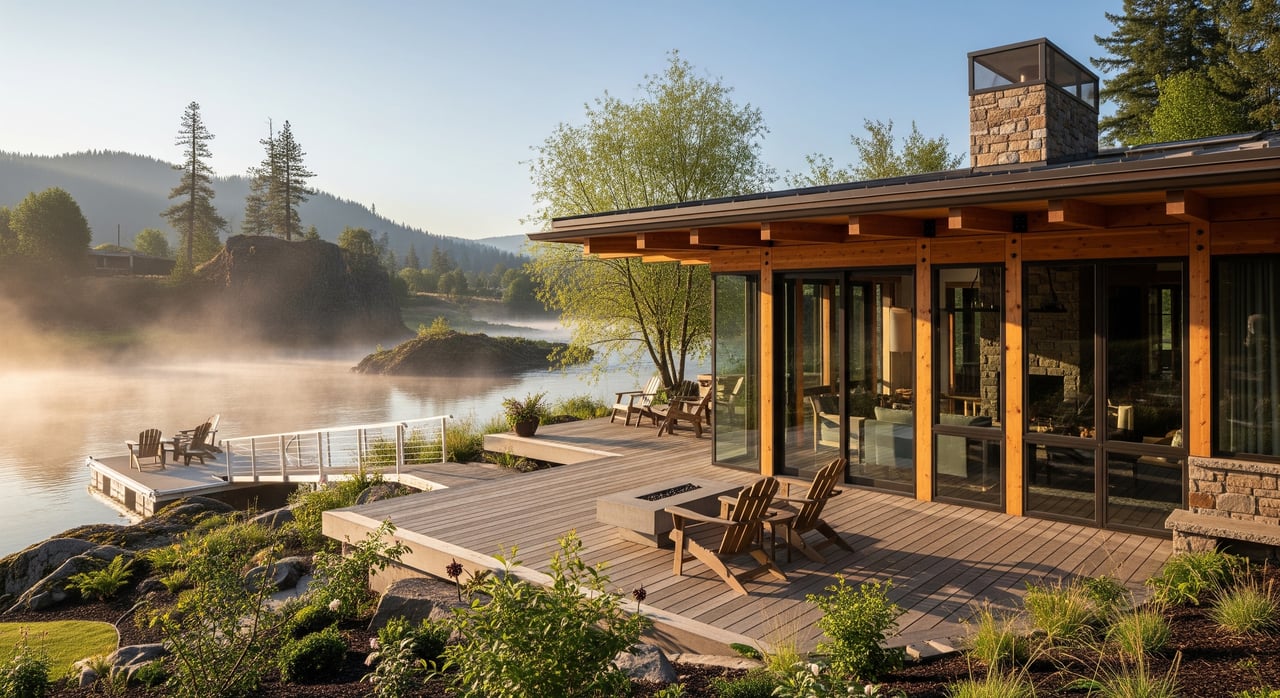
What would life feel like if the Rogue River was part of your daily routine? If you are drawn to morning walks by the water, spur‑of‑the‑moment paddles, or quiet evenings with river views, living near the Rogue in Grants Pass can be a great fit. In this guide, you will learn what day‑to‑day life looks like, how seasons shape the experience, and what to know before you buy. Let’s dive in.
A day by the Rogue
Morning: Walks, coffee, and river views
You might start with a short stroll along a riverside path, where you can watch kayaks glide past and birds move through the riparian trees. Many near‑river neighborhoods have sidewalks or short connections to parks, so you can get outside quickly without loading the car. If you work from home, the river’s cooler morning air can make a porch or patio a comfortable spot to take a call.
Midday: Launches and errands
On a flexible day, you could plan a quick paddle or drift‑boat outing. Public ramps and day‑use access points make it simple to get on the water for a couple of hours. Near‑river commercial strips and the downtown area offer easy stops for groceries or to meet a friend for lunch. In some locations, you will walk to restaurants and cafes. In others, a short drive is typical.
Evening: Sunset and community
As the sun drops, many residents head back to riverside parks for a picnic, casual fishing, or a simple bench sit to look at the water. Riverfront dining spots and nearby bars are social hubs, especially in peak season. On quieter nights, you can settle into your yard, listen to the water, and enjoy a cooler microclimate near the river.
Neighborhood vibes near the river
Downtown and park‑adjacent streets
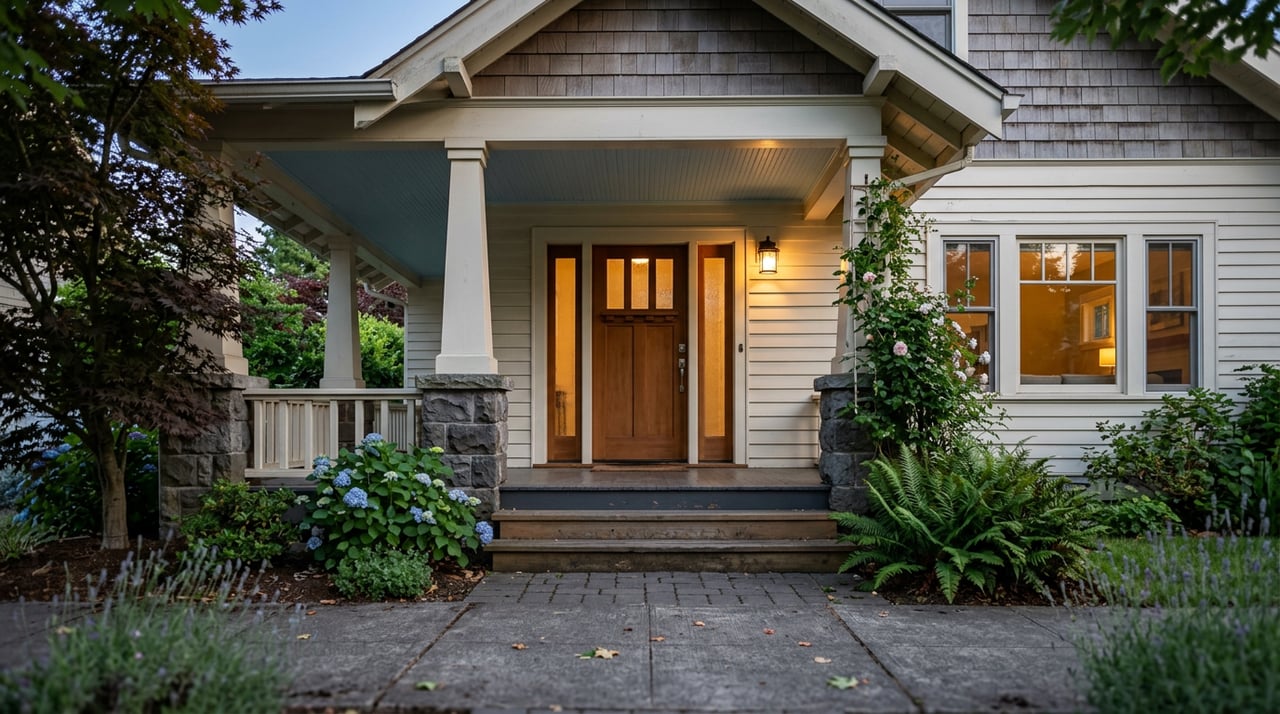
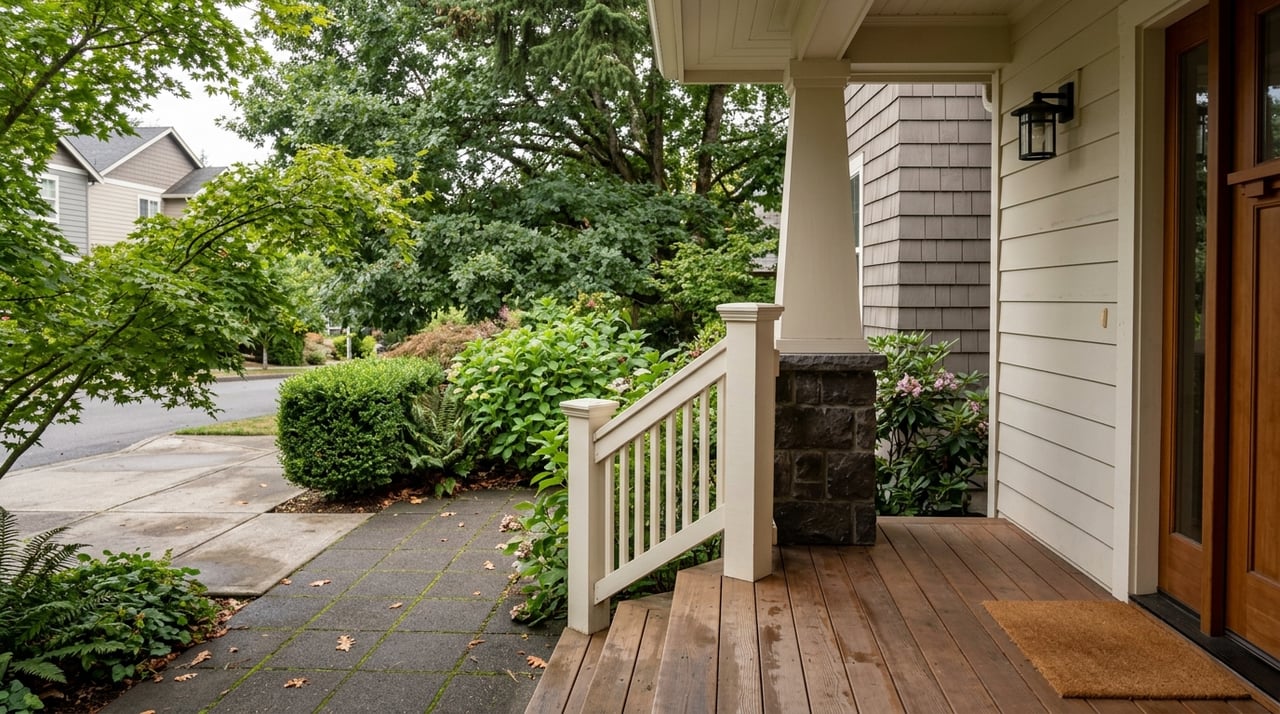
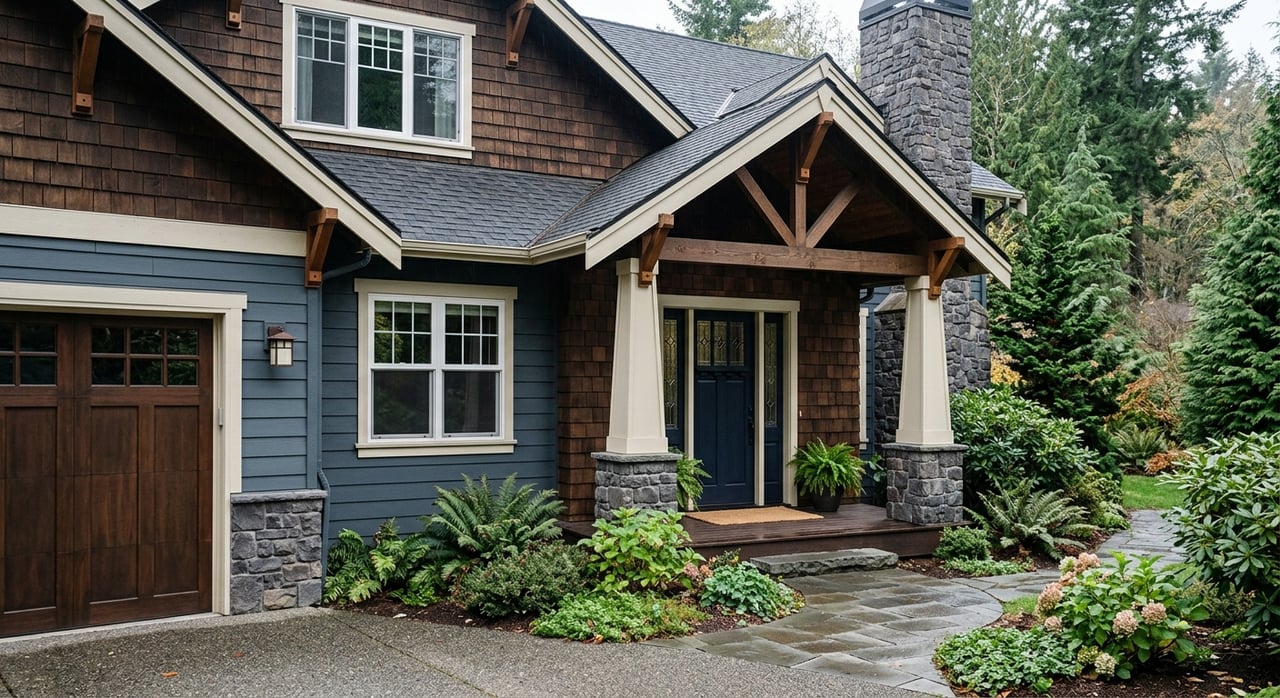
If you prefer walkability and frequent park time, look for homes near downtown river parks. You will find older craftsman and bungalow homes mixed with newer infill options. The draw here is quick access to promenades, playgrounds, and river views, even if your property is not directly on the water.
Residential corridors close to the river
A bit farther out, mid‑century and modern single‑family homes line residential corridors that parallel the river. In these areas you often have sidewalks, bikeable streets, and short drives to launches. You trade some walk‑to‑everything convenience for quieter streets and slightly larger lots.
Upriver semi‑rural and private frontage
Upriver, you will see larger parcels and semi‑rural settings. Some properties sit directly on the river and may include more privacy or potential for a private dock. These homes often provide a quieter feel and big‑sky views. In return, you take on more maintenance responsibilities and longer drives for errands.
Recreation and access
Trails and parks
Near‑river living supports an active routine. Many parks are designed for strolling, jogging, dog‑walking, and casual bike rides. The layout varies by stretch of the river. Some areas have continuous paths, while others require a short street walk to reach a park or launch. If daily walking is important to you, focus on neighborhoods with direct path connections.
Boating and launch logistics
Residents use a mix of public boat ramps, informal put‑ins and take‑outs, and on some private parcels, docks. You will see kayaks, SUPs, drift boats, small motorboats, and rafts. Summer weekends are popular, so plan for potential launch congestion and parking pressure at peak times. If you own a boat, think ahead about trailer storage and the easiest way to stage your gear at home.
Fishing and wildlife viewing
The Rogue is known for trout, steelhead, and salmon in season. Regulations, seasons, and license requirements are set by state fish and wildlife authorities, so always check current rules before you go. Riparian vegetation draws birds and other wildlife, which makes riverbanks and nearby green spaces great for wildlife viewing.
Seasons on the Rogue
Summer
This is peak river season. Expect busy parks and ramps, more outfitter activity, and a lively community scene along the water. Many residents plan early morning or evening outings to avoid midday heat and crowds. Near‑river microclimates can feel slightly cooler, which is welcome on warm days.
Spring
Flows rise with snowmelt and rain, which can create faster water and strong currents. Experienced boaters enjoy the energy of the river, while casual users often stick to shoreline walks and viewpoints. Fishing tends to pick up, and parks become greener and more active.
Fall
As temperatures drop, you will find quieter trails and a strong draw for seasonal fishing. Clear days and colorful foliage make for great evening walks. Community life shifts back toward cozy patio gatherings and scenic drives along the river.
Winter
Expect higher flows and more rain. Some days are less suitable for casual water activities. Flooding risk and shoreline erosion are more likely during heavy storms. Many residents keep rain gear by the door and choose river watching and birding when water levels run high.
Practical buyer checklist
Use this quick checklist to review properties near the Rogue before you write an offer.
- Flood risk and insurance:
- Is the parcel inside a FEMA Special Flood Hazard Area, and what is the Base Flood Elevation?
- Will your lender require flood insurance, and what are the estimated annual costs?
- Shoreline access and improvements:
- Does the property include private water access or dock rights, and are those rights recorded as an easement?
- What permits would be required to add a dock, stabilize a bank, or remove riparian vegetation?
- Utilities and systems:
- Is the home on city water and sewer, or does it rely on a well and septic system?
- Do local riparian setbacks affect septic placement, replacement, or future additions?
- Daily convenience and noise:
- How busy are nearby ramps and parks on summer weekends, and what are parking patterns on your street?
- Do you prefer a lively park‑adjacent environment or a quieter upriver setting?
- Maintenance history:
- Have there been recent high‑water events, erosion, or bank stabilization projects on this or neighboring parcels?
- What ongoing costs are typical for vegetation management, dock upkeep, or shoreline care?
Tradeoffs to weigh
Premiums and pricing
Direct riverfront lots often command a price premium for views and private access. The exact premium varies by lot size, flood exposure, neighborhood desirability, and any improvements like docks or bank stabilization. Homes close to parks and downtown often hold strong appeal even without private frontage because daily access is so easy.
Noise, privacy, and crowds
Park‑adjacent blocks are social and convenient. You may notice weekend traffic, boat‑ramp activity, and summer events. Quieter stretches are common upriver or on larger lots that sit back from main access routes. If nighttime quiet is a priority, look for residential streets away from the busiest trailheads.
Maintenance and long‑term responsibilities
Riverfront ownership usually includes additional costs. Bank stabilization, erosion mitigation, dock maintenance, and required vegetation management can add up. Before you buy, build a budget that includes insurance and potential permitting so long‑term affordability is clear.
Who the river suits best
- Active outdoorspeople: You will love homes with easy gear storage and a quick path to a launch.
- Families: Park proximity, play areas, and safe walking routes often matter more than a private dock.
- Downsizers and low‑maintenance buyers: Consider park‑adjacent homes or condos that offer river access without private shoreline responsibilities.
Safety and seasonal readiness
Staying safe on the Rogue starts with good preparation. River conditions change with weather and flow, and authorities and outfitters publish safety guidance throughout the year.
- Water safety basics:
- Wear a life jacket when boating or paddling and plan conservative routes.
- Check flows and weather before heading out, especially in spring and winter.
- Home and property precautions:
- Keep an eye on erosion and tree health along the bank.
- Store boats and gear securely and plan for launch congestion during peak season.
- Air quality and wildfire season:
- In some summers, smoke can affect outdoor plans. Many residents shift walks to early morning hours or focus on river viewing instead of prolonged activity when advisories are in effect.
How to choose your river‑area fit
If you want a car‑light lifestyle with frequent walks and easy picnics, focus on park‑adjacent streets near downtown. If privacy and space rank higher, explore upriver pockets with larger lots and potential for private frontage. If balanced access and suburban convenience appeal to you, consider residential corridors that run close to the river with reliable sidewalks and short drives to launches.
As you narrow options, visit at different times of day and in different seasons. Listen for ambient noise, note parking patterns, and walk from the front door to the nearest park or ramp. That short test reveals how the river will truly fit your life.
Ready to explore Grants Pass river living?
You deserve a local guide who understands how the Rogue shapes daily life, property value, and long‑term maintenance. Our team helps you weigh flood maps and insurance, confirm utility details, and evaluate shoreline considerations with the right questions for planners, surveyors, and title. Whether you are seeking a park‑adjacent bungalow, a family home near launches, a semi‑rural parcel with frontage, or you are navigating an inherited property along the river, we are here to help.
If river living is calling, let’s find your fit along the Rogue. Reach out to Whole Heart Realty to talk through neighborhoods, access, and next steps.
FAQs
What should I know about flood zones near the Rogue in Grants Pass?
- Portions of river‑adjacent land can be in FEMA flood hazard zones, which may require flood insurance and affect lending and rebuilding costs. Always verify a parcel’s zone and Base Flood Elevation before you buy.
How does river access work if the home is not waterfront?
- Public parks and boat ramps provide legal access points for non‑riverfront residents. Many neighborhoods have short, walkable connections to riverside paths even without private frontage.
What extra costs come with riverfront ownership in Grants Pass?
- Plan for potential expenses like bank stabilization, dock upkeep, erosion mitigation, vegetation management, and flood insurance. These are in addition to typical home maintenance.
Is boating easy from in‑town locations along the Rogue?
- Yes, but plan for summer weekend crowds. Public ramps and informal put‑ins make access straightforward. Consider trailer storage and timing to avoid launch congestion.
Are there rules for docks, bank work, or tree removal along the river?
- Yes. Shoreline work and vegetation removal are regulated by local and state agencies. Confirm current codes and permits before planning any changes to the riverbank or riparian area.