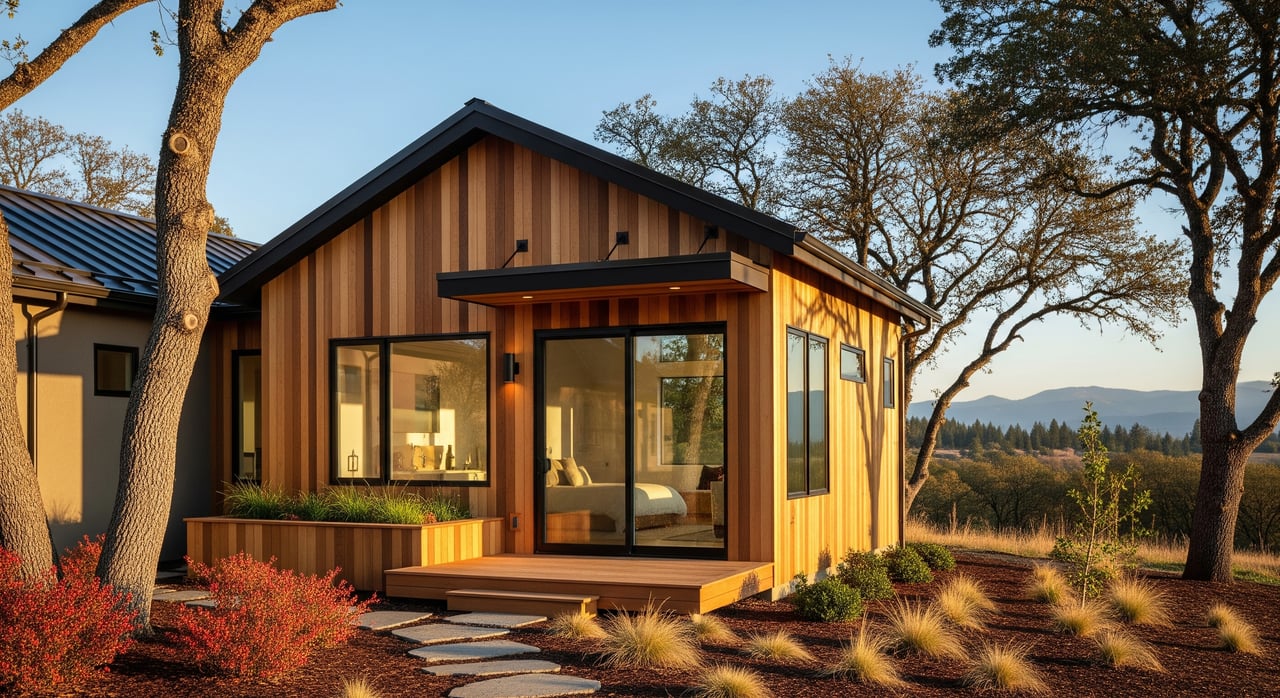
Thinking about adding an accessory dwelling unit to your property in Jackson County? You’re not alone. ADUs can create space for family, bring in rental income, and add long-term value. The rules can feel complicated at first, especially with different standards in each city. This guide breaks it down in plain English so you know what to check, who to call, and how to move forward with confidence. Let’s dive in.
ADUs in Jackson County: start here
Before you sketch a floor plan, confirm where your property sits. In Jackson County, ADU rules depend on whether you’re inside a city limit or in unincorporated county territory. Each jurisdiction has its own code and process, so the right starting point saves time and money.
- If your property is outside city limits, start with the Jackson County Planning Division.
- If your property is inside a city, check that city’s planning department. Examples: City of Medford and City of Ashland.
- For statewide context on recent ADU policy shifts, browse the Oregon Department of Land Conservation and Development resources.
Tip: Use the county or city’s parcel lookup and zoning maps to confirm jurisdiction and zoning. If you’re unsure, call planning staff and ask them to verify your parcel’s status.
What you can build: common ADU types
ADUs come in a few formats, and different rules can apply to each type. You’ll see these terms in local code and during permitting:
- Internal ADU: space carved out within the primary home, like a basement or portion of the main floor.
- Attached ADU: an addition connected to your main house.
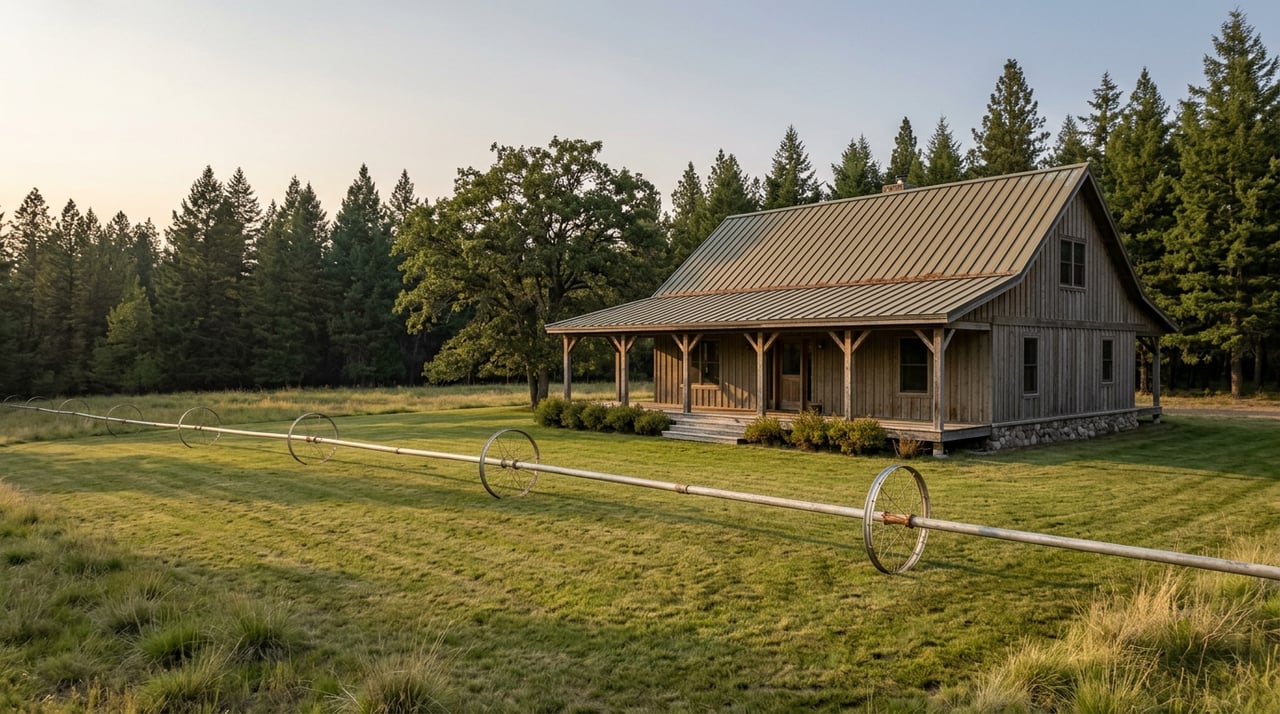
- Detached ADU: a separate small home on the same lot (sometimes called a backyard cottage).
- Manufactured/mobile ADU: a manufactured home used as an ADU, which can have extra standards.
Your zoning, lot dimensions, and utility setup will influence which option fits your site best.
Must-check rules for your lot
Local codes share common themes, but the details vary. Plan to verify these items with your city or the county before you hire a designer.
Size and floor area
Many jurisdictions cap ADU square footage either as a fixed maximum or as a percentage of your main home’s size. In Oregon, detached ADU maximums often fall somewhere in the 600–1,200 square foot range, while internal and attached units may follow different limits. Treat these ranges as a starting point, then confirm the exact standard that applies to your address with your planning department.
Lot size, coverage, and sensitive areas
Some zones require a minimum lot size for a detached ADU, and many limit total lot coverage. If you’re near steep slopes, floodplains, wetlands, riparian buffers, or protected trees, extra siting rules may apply. These overlays can affect where the ADU can go or whether it’s feasible at all.
Setbacks and height
Expect to meet setback and height standards for accessory structures. Internal and attached ADUs sometimes have different setback rules than detached ADUs, and historic districts or conservation overlays can add stricter design or height requirements.
Parking
Parking rules vary widely. Some places require one added on-site space for an ADU, while others reduce or waive that requirement, especially near transit or walkable areas. Oregon policy has pushed for fewer parking mandates, but local standards still control, so verify what applies on your street.
Owner-occupancy and rentals
Owner-occupancy requirements have changed in many Oregon communities to encourage ADUs. Some places have removed them, while others still require the owner to live in either the main home or the ADU. Short-term rentals are a separate conversation: cities may restrict or prohibit short-term use or require business licensing and lodging taxes. Always confirm the current rules with your jurisdiction.
Historic and design review
If your property is in a historic district or conservation overlay, design review may be required. Changes to a contributing structure can trigger additional approvals, so bring your concept to planning staff early.
Utilities and site feasibility
Every ADU needs safe, legal utility connections. Early conversations with the right departments can prevent costly surprises.
Sewer vs. septic
- If you’re on public sewer, confirm whether connection is required and whether capacity is available. Sometimes a main extension or larger line is needed.
- If you’re on septic, call Jackson County Environmental Health early. Many existing systems are not permitted to serve a second dwelling without upgrades. A septic evaluation is common and may require soil testing or a system replacement before an ADU is allowed.
Water supply
Ask your water provider about meter requirements, fees, and system capacity. Some locations allow a shared meter, others require a new meter. If you’re on a well, check well capacity and any relevant Oregon water right considerations with the appropriate authority.
Electrical service
An ADU can push your electrical load beyond your panel’s capacity. Plan for potential service upgrades and discuss metering if you want separate utility billing. Contact your electric utility early to understand timelines and costs.
Stormwater and drainage
New roofs, patios, and driveways add impervious surface. Your city or the county may require a basic stormwater plan or on-site infiltration to manage runoff.
Building code and safety
All ADUs must meet structural, fire separation, egress, and energy standards under Oregon’s statewide code. For building requirements and permits, reference the Oregon Building Codes Division. Your local building department will review plans and perform inspections.
Permits and timeline: what to expect
Approvals vary by property and jurisdiction, but most projects follow a similar path.
Confirm jurisdiction and zoning. Use parcel lookup tools or call planning staff to verify that ADUs are allowed on your lot.
Schedule a pre-application conversation. This is especially helpful for detached units or complex sites. Staff can flag setbacks, height limits, overlays, and utility issues.
Develop your plans. Hire a designer, architect, or contractor to prepare a site plan and building drawings that meet local code.
Submit applications. You may need land-use confirmation, a building permit, and separate approvals for sewer, water, septic, or site development.
Respond to corrections. Plan reviewers often request clarifications. Your team updates plans and resubmits.
Build and inspect. Once permits are issued, construction moves forward with required inspections.
A ministerial ADU review can take weeks if your plans are complete and your site is straightforward. Variances, historic review, septic upgrades, or appeals can extend the schedule by months. Stay in close communication with planning, building, and utility staff to keep things moving.
Costs, financing, and taxes
ADU budgets vary widely, and a quick ballpark often misses major site-specific items. These factors tend to drive cost:
- Detached vs. interior conversion
- Foundation type, grading, and access
- Septic upgrades or sewer/water connections
- Electrical service upgrades and transformer capacity
- Design, permitting, and any impact or system development charges
Financing commonly comes from a home equity loan or HELOC, a renovation construction loan, or a cash-out refinance. Some jurisdictions or non-profits may offer ADU incentives or pilot programs, so it is worth asking your city or county housing staff.
For revenue planning, remember that rental income depends on location, size, and local rental demand. Short-term rentals may be limited by your city. Adding an ADU can also affect your assessed value. Contact the Jackson County Assessor to understand potential property tax changes before you commit.
Quick jurisdiction checklist
Use this simple checklist to get oriented before design:
- Confirm city vs. county. Call planning staff or check the city boundary and zoning maps.
- Verify ADU allowance in your zone. Ask about overlays, historic districts, and design review.
- Identify your utilities. Are you on sewer or septic? Municipal water or well? Any known capacity limits?
- Ask about parking rules. Clarify on-site space requirements and any exemptions.
- Note size and placement basics. Discuss floor-area caps, setbacks, height, and lot coverage.
- Map the process. Confirm required permits, typical timeline, and whether a pre-application meeting is recommended.
Local resources and who to call
- Planning for unincorporated areas: Start at the Jackson County site and navigate to Planning.
- Septic and on-site sewage questions: Jackson County Environmental Health.
- Statewide planning and ADU policy background: Oregon DLCD.
- Building code and permits: Oregon Building Codes Division.
- Inside city limits: Begin with your city’s planning department, such as Medford or Ashland.
Design tips that work in the Rogue Valley
- Match your main home’s materials and rooflines for a cohesive look.
- Place the ADU to preserve trees, maintain privacy, and optimize sunlight.
- Provide a separate entry and consider sound separation for comfort.
- Plan for accessibility if you expect multigenerational use now or later.
How Whole Heart Realty can help
Building an ADU is part housing strategy and part lifestyle planning. Whether you want space for family, long-term rental income, or added resale value, we’ll help you think through site feasibility, timing, and market impacts. We also connect clients with local planning resources and practical next steps so you can move forward with clarity.
If you’re weighing an ADU in Jackson County or exploring a purchase with ADU potential, reach out to Whole Heart Realty. Let’s talk about your next move.
FAQs
Can I build an ADU on any single-family lot in Jackson County?
- Only if your zoning and any overlay districts allow ADUs. Rules differ between unincorporated Jackson County and each city, so confirm with planning staff for your specific address.
Do Jackson County ADUs require the owner to live on-site?
- Owner-occupancy rules have been changing in Oregon. Some jurisdictions have eliminated them, while others still require it. Check the current code for your city or the county.
Will I need to upgrade my septic system for an ADU?
- Possibly. Many existing septic systems cannot serve two dwellings without upgrades. Contact Jackson County Environmental Health early for an evaluation.
Can I use an ADU for short-term rentals like Airbnb?
- It depends on your city’s rules. Some cities restrict or prohibit short-term rentals in ADUs, or they require a business license and lodging taxes. Verify with your local planning department.
How long does ADU permitting take in Jackson County?
- Ministerial reviews can be completed in weeks when plans are complete, but site constraints, septic upgrades, or special approvals can extend the process by months. Your planning and building departments can outline a typical timeline for your case.
What fees should I expect when building an ADU?
- Plan for design and permit fees, possible system development or impact charges, and utility connection or upgrade costs. Exact amounts vary by jurisdiction and site conditions, so ask planning, building, and utility staff for current figures.